Developer Level
 Robotics & AI
Advanced Programming & Applied Robotics
Years 7-8 | Code to AI Pathway
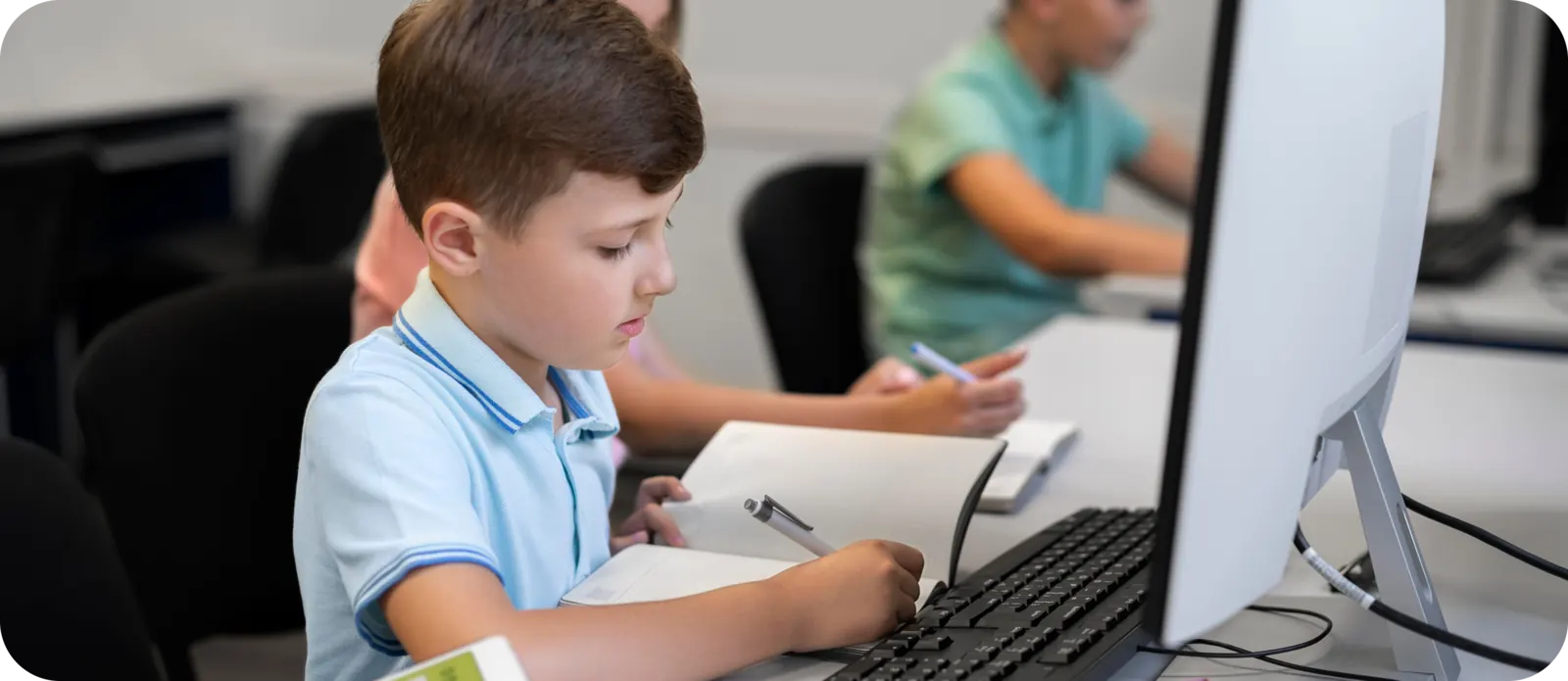
Developer Level transitions Years 7-8 students from educational robotics to professional-Year programming and advanced AI-powered systems.
This 60-hour program introduces Python—the world’s primary AI and machine learning language—alongside Raspberry Pi single-board computers and humanoid robotics platforms.
Program Overview
Students advance from microcontroller programming to professional software development tools—Python in Jupyter notebooks, Raspberry Pi development environments, and modular code architecture. They apply programming skills to control sophisticated robots, process sensor data, and create AI-driven behaviours.
Three Developer Courses
Course 1: Learn Python Programming (20 Hours)
Comprehensive Python education using Jupyter notebooks—professional development platforms that combine code, documentation, and visual output. Python dominates AI, data science, machine learning, and robotics research.
Learning Objectives
.png) Understanding control structures: if-else conditionals, while loops, for loops, nested control flows for algorithmsList data structures: operations, indexing, slicing, comprehensions, data manipulation for robotics and AIError finding and debugging: systematic approaches, professional debugging tools, exception handling
Understanding control structures: if-else conditionals, while loops, for loops, nested control flows for algorithmsList data structures: operations, indexing, slicing, comprehensions, data manipulation for robotics and AIError finding and debugging: systematic approaches, professional debugging tools, exception handlingCourse 2: NexGen Coders – Raspberry Pi Track (20 Hours)
Students apply Python to Raspberry Pi—credit-card-sized computers running Linux operating systems. Learn GPIO pin control, sensor integration, and headless operation for autonomous robotics.
Learning Objectives
Single-board computers and Linux: operating system fundamentals, command-line navigation, system administrationGPIO pins for hardware control: controlling LEDs, reading buttons, PWM signals, interfacing sensors and camerasHeadless mode and remote access: autonomous operation, remote monitoring for robotics deploymentCourse 3: Marty – The Mini Humanoid (20 Hours)
Humanoid robotics—the most complex robotics application. Students program Marty's bipedal walking, dancing, and environmental responses through inverse kinematics, gait implementation, and balance control.
Learning Objectives
Gaits and bipedal movement: walking algorithms, balance through centre-of-mass, adaptive timingModular programming: reusable functions, clear variable naming, professional code organisationSensor-based logic: accelerometers for balance, distance sensors for obstacles, colour sensors for navigation
Class Environment
Maximum 10 students ensures individualised mentorship through complex programming and robotics challenges. Students use professional development tools: Jupyter notebooks, Thonny IDE, and industry-standard debugging utilities.
Assessment and Recognition
Learning is assessed through teacher observation of in-class activities—watching students approach challenges, debug code, and collaborate with peers. No formal tests or examinations. Upon successfully completing all three Developer Level courses (60 hours total), students receive a MeritVy Developer Level Certificate and medal—official recognition of their achievements that families can celebrate and students can display proudly. Parents track progress through the MeritVy Parent App with uploaded photos, project videos, and instructor observations.


Advanced Competencies
Algorithm design: analysing problems, efficient solutions, computational complexity understandingHardware-software integration: servo control timing, sensor polling, real-time response, resource managementProject management: systematic planning, iterative development, technical documentation, professional presentationsProgression to AI Builder Level
Developer Level establishes foundations for AI Builder Level (Years 9-10), where Python proficiency enables machine learning, data science, and AI model development—the pinnacle of the Code to AI Pathway. The certificate and medal document students' programming expertise, motivating continued advancement toward AI mastery.
Transform Into a Professional DeveloperDeveloper Level transitions students from learners to practitioners—from programming basics to software development, simple robots to complex autonomous systems.
Contact your nearest MeritVy Learning Centre to enrol. Developer Level is professional preparation for technology careers, university computer science, and AI-powered future leadership.
Book a FREE Demo